
How AYC’s Extracurricular Clubs Help Students Discover Their Potential

By Annabel Mumba
Annabel Mumba is AYC’s Donor Relations Coordinator. She is a Scholarship Fund recipient, and a graduate of Mulungushi University with a Bachelor of Arts in Communications (Journalism), and also one of our Success Stories.
Co-written by Pamela O’Brien, African Education Program’s Development Director, who is mentoring Annabel.
At the Amos Youth Centre (AYC), learning does not stop when a classroom lesson ends.
As a Learning & Leadership Centre, AYC is intentional about creating opportunities for young people to learn, explore, lead, and discover who they are. While the classroom provides an important foundation through academic learning, our holistic programming and extracurricular clubs create a different kind of space: one where students can relax, make friends, express themselves, develop new skills and discover abilities they may not have known they had.
Through these club groups: Reproductive Health, Sign Language, Creative Writing, Conservation, Mental Health, Leadership, Art and Performing Arts, students are given opportunities to learn beyond the traditional school curriculum and develop skills that can remain with them long after they leave AYC.

Clubs let students find their voice.
Learning Beyond the Classroom
For AYC’s Extracurricular Programmes Manager, Christine Mulenga, the value of the clubs goes beyond simply keeping students occupied after school.
“Play-based learning helps them to relax, have fun, make friends and discover themselves,” she explains.
The clubs give students opportunities to explore subjects and experiences they may not encounter in their regular school day. Through activities such as public speaking, poetry, drama, music, dance, creative writing, art and conservation, students can explore their interests while developing practical life skills.
These experiences are important because students will eventually leave both school and AYC. The goal is not to create dependence, but to help young people develop the confidence and skills to navigate life on their own. Through their participation, students develop problem-solving, discipline, empathy, communication, and leadership.
Finding Confidence and Their Voice
For some students, joining a club becomes the beginning of a significant change in how they see themselves.
Thokozile, a Grade 10 student at Naboye Secondary School who began attending AYC in Grade 8, says the Leadership Club has helped her develop public speaking and social skills. “I was an introvert, but now I am confident and able to relate and interact with other people more than before I joined AYC and the clubs. I have discovered that it is not difficult to understand people.”
Her experience reflects one of the important roles clubs play at AYC: creating spaces where young people feel able to speak, participate, and express their ideas.
Christine recalls a student named Bristol who initially struggled with low self-esteem. Bristol rarely spoke and would remain quiet in class and club sessions. Over time, however, participation in the clubs helped Bristol become more expressive and involved. Today, Bristol is trusted as a young leader at AYC and his school.
For Christine, transformations like these are a reminder that sometimes a young person simply needs the right opportunity and encouragement to discover what they are capable of.
Another core club that is much loved and enjoyed is the Sign Language Club. It was created to promote inclusivity, teach sign language to the students at AYC, and break down communication barriers, so that learners can build real friendships with their peers at the Read for Rose Special Education Programme and connect more fully with the wider community. By learning to communicate with people who are deaf or hard of hearing, students gain a life skill that helps make AYC and the community more welcoming and inclusive for everyone.
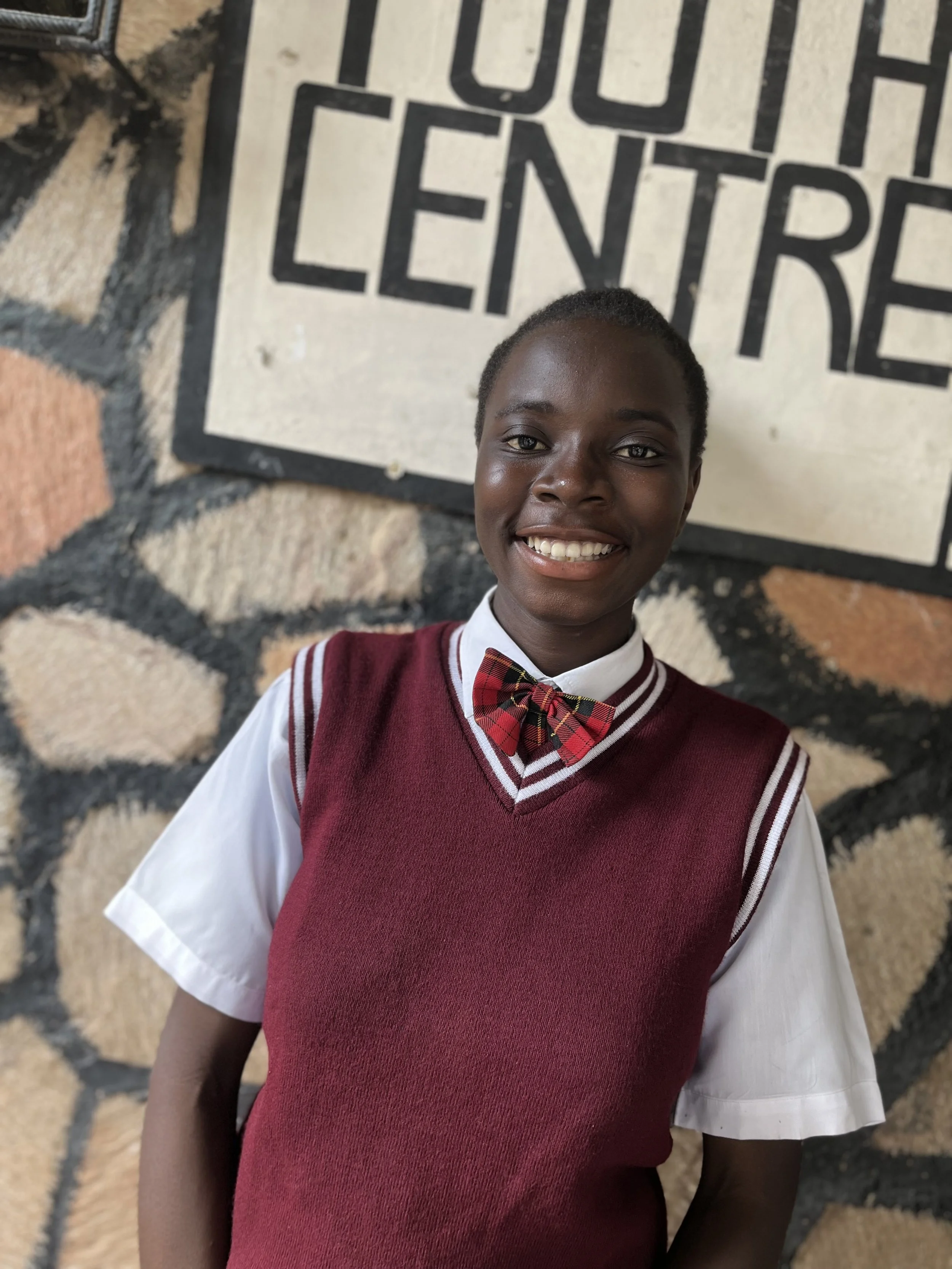
Discovering Talents and Possibilities
Derrick, a Grade 11 student, particularly enjoys Leadership, Dancing, and Drama Club, categorized as the Performing Arts Club. With a passion for performing, he dreams of becoming a musician in Zambia’s music industry. Through the Music Club, he has been able to develop his singing skills.
He has also become a peer educator, an experience that has strengthened his confidence and leadership abilities.
“I am a peer educator, and I teach my peers. I have improved my confidence and public speaking skills. I have also learnt problem-solving skills.” Derrick, Grade 11, Shikoswe Secondary School
For Solomon, a Grade 10 student, the Art Club has helped him develop his artistic abilities. He hopes to pursue art as a part-time career and says the club has helped him grow in both confidence and knowledge.
“The club has helped me improve my confidence as an artist and also perfect my knowledge.” Solomon, Grade 10, Shikoswe Secondary School
These experiences demonstrate why clubs such as Art and Performing Arts matter. They provide different avenues for students to express themselves, practice their talents, and develop skills that may become part of their future.
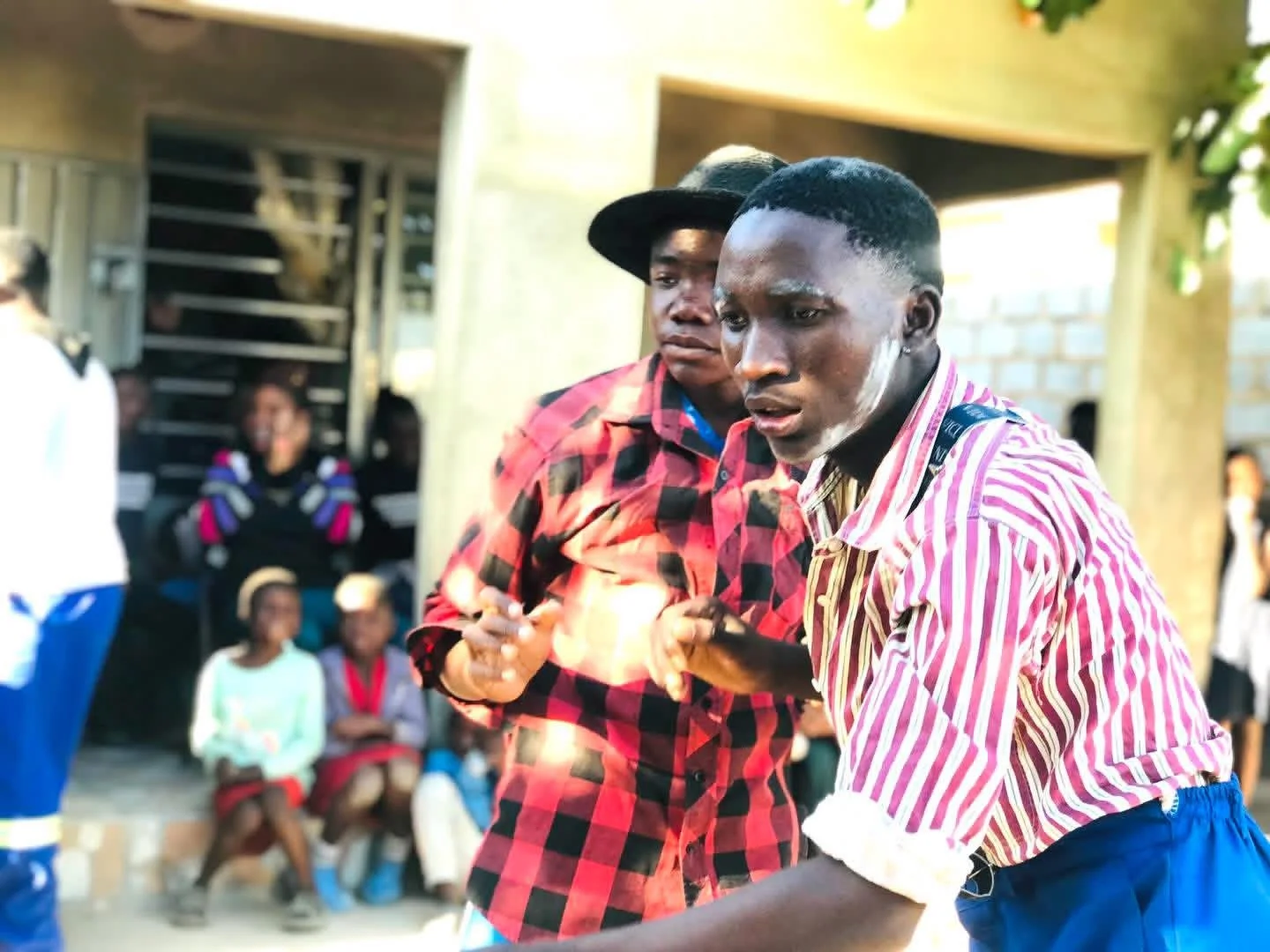
Understanding Yourself and Others
The clubs also create space for students to learn about themselves and the people around them.
Prisca has been part of the AYC family since she was a Young Learner. Now in Grade 10 at Naboye Secondary School, she says the Mental Health Club has helped her better understand her own mental health and how to support her friends. “I have learnt that depression is not good and it can change my mental state. I am no longer shy and (I) am now a good public speaker.”
Learning to recognise emotions, communicate, and understand others can influence how young people navigate friendships, school and their communities. This is part of AYC’s wider goal of helping students develop not only academically, but also socially and emotionally.
Giving Students Ownership
An important part of the clubs is ensuring that students are not simply passive participants. Students are given responsibilities, opportunities to lead, and platforms to express their views. Facilitators also seek to understand what students want to learn from the clubs and use their ideas alongside input from stakeholders and AYC’s management when shaping activities.
This sense of ownership gives students opportunities to practice leadership in real situations.
“Rather than simply being told what leadership looks like, they are given chances to take responsibility, work with others, communicate their ideas and receive feedback.” Rabecca Tembo, AYC’s Project Coordinator
The role of facilitators is equally important. At AYC, facilitators are expected to be role models, ensuring that the values they encourage students to do are also reflected in their own behaviour.
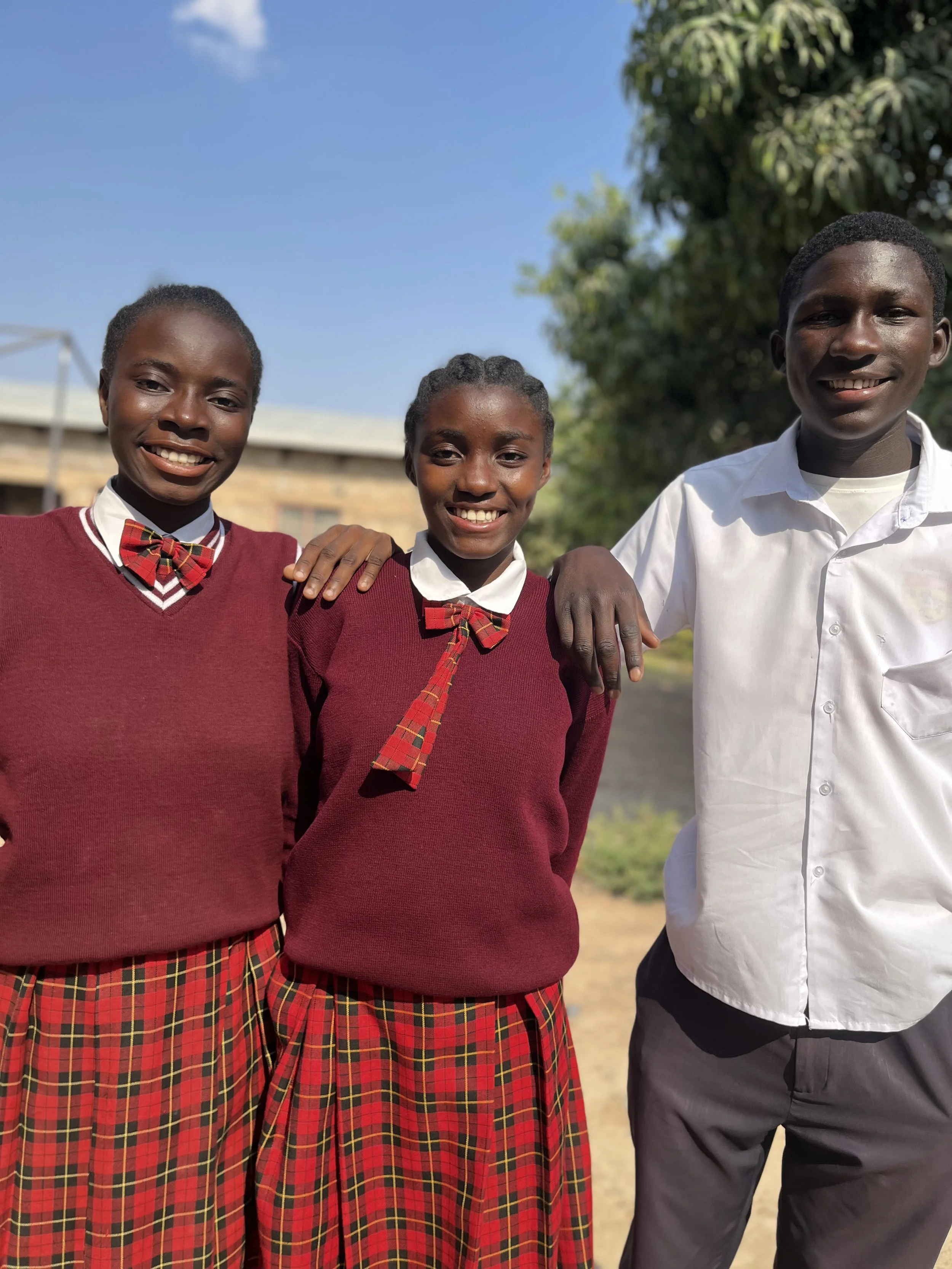
Clubs That Grow With The Students
Over the years, the Extracurricular Programme at the Learning & Leadership Centre has evolved through insights and contributions from partnerships, stakeholder discussions, brainstorming, student suggestions and ideas from AYC’s leadership. The result is an array of clubs designed around the needs and interests of the young people themselves.
For Christine, the work is also deeply personal. Before becoming AYC’s Extracurricular Programmes Manager, she was once an AYC student herself. Her own experience with the clubs helped her discover herself and contributed to the person she is today. “They made me who I am now,” she says.
Today, she has the opportunity to help create those same experiences for another generation of students. Whether a student learns to speak confidently in the Leadership Club, explores their creativity through the Art or Performing Arts Club, understands mental health, develops writing skills, learns about conservation, or builds knowledge through Reproductive Health, each experience contributes to a larger journey.
As Christine puts it, the clubs help students “unlock the leadership potential that is in them.”
That is what learning beyond the classroom can make possible: not simply students who know more, but young people who are more confident, capable, and prepared to take ownership of their futures.
“They made me who I am now.”